
Due Diligence in Action: A Behind-the-Scenes Look at Our Latest Acquisition
What Actually Happens During a Multifamily Due Diligence Day
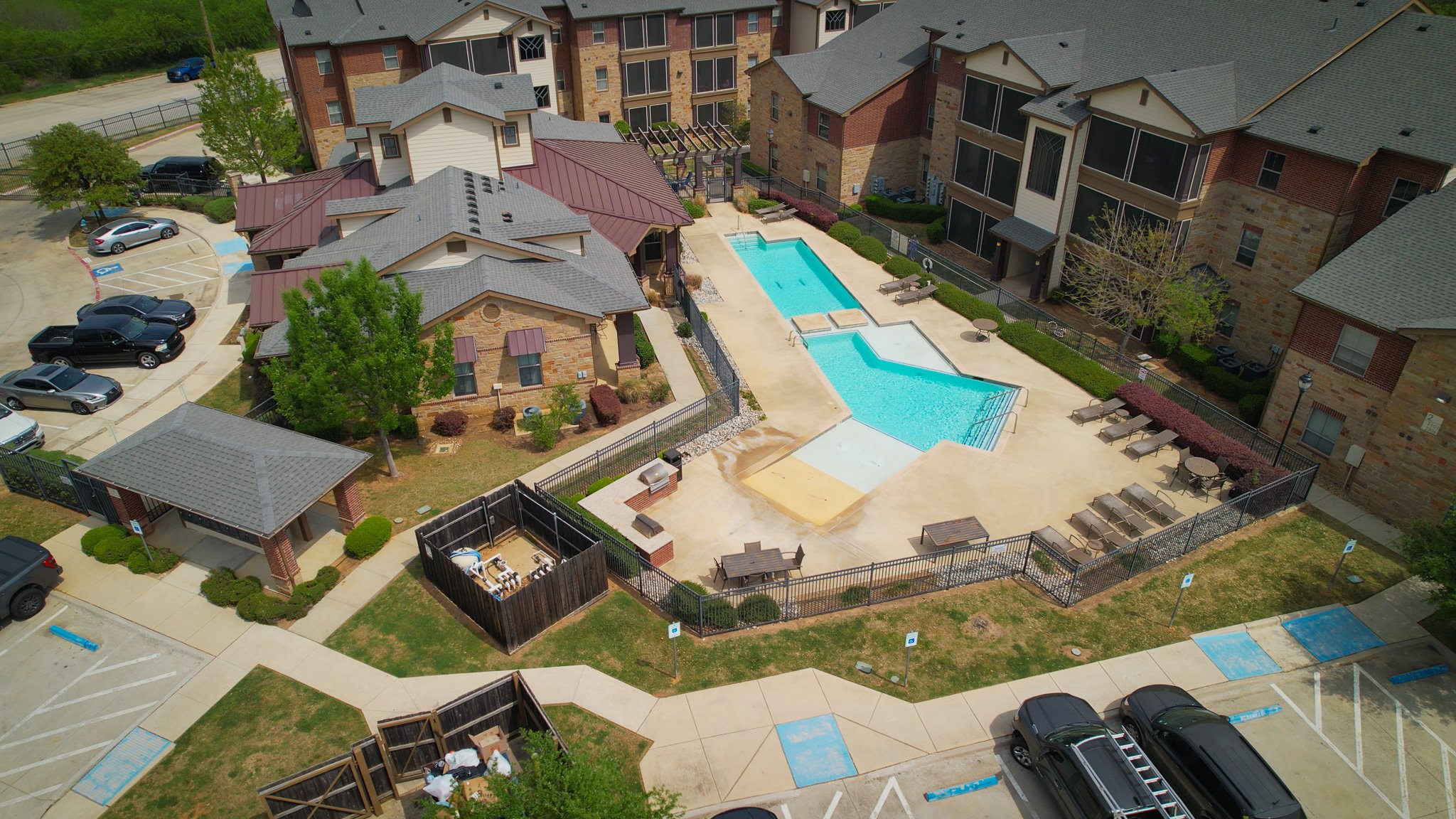
Last week, our team was on-site for due diligence at our newest acquisition: Devonshire Lake Dallas.
It’s one of the most important—and least visible—parts of any multifamily deal.
From the outside, a property can look like a great investment. The numbers might work, the location might check out, and the business plan might make sense.
But due diligence is where you find out what’s really going on.
It’s where assumptions get tested, risks get uncovered, and the deal either gets stronger—or starts to fall apart.
So what actually happens during a due diligence day?
It Starts Long Before You Step on Site
By the time a team shows up at the property, a lot of work has already been done.
Financials have been reviewed. The market has been analyzed. Initial underwriting has been completed.
Due diligence day isn’t about starting from scratch—it’s about verifying everything.
You’re asking one core question:
Is this actually the deal we think it is?
Walking Units: The Real Story Is Inside
One of the first priorities is walking a large sample of units.
Not just the renovated ones. Not just the “model” units.
A true cross-section.
You’re looking for:
Consistency (or lack of it) across units
Actual interior condition vs. what was marketed
Signs of deferred maintenance
Opportunities for upgrades
Photos and broker packages can only tell you so much.
Walking units tells you the truth.
Inspecting the Exterior: Patterns Matter
Next comes the exterior—and this is where patterns start to show up.
You’re evaluating:
Roof condition
Parking lots and drainage
Siding, paint, and overall curb appeal
Common areas and amenities
Individually, small issues may not seem like a big deal.
But when you start seeing the same issue repeated across the property, it becomes a different conversation.
That’s how minor fixes turn into major CapEx.
Systems and Big-Ticket Items
This is where deals can quietly win—or lose.
Teams and third-party inspectors evaluate:
HVAC systems
Plumbing and sewer lines
Electrical infrastructure
Structural components
This is also where having the right partners in place makes a major difference.
During due diligence, we work closely with our long-time renovation partner, Sayan Construction, to walk the property alongside us. Their team brings a contractor’s lens to everything we’re evaluating—helping us pressure test renovation scopes, validate budgets, and identify potential issues early.
Because it’s one thing to spot a problem—it’s another to understand what it will actually cost to fix.
Lease Audits and Financial Verification
While part of the team is on-site, another critical piece is happening behind the scenes: lease audits and financial validation.
This includes:
Matching leases to the rent roll
Verifying actual rent collections
Reviewing delinquencies and concessions
Comparing real performance to underwriting assumptions
This is where numbers either hold up—or start to unravel.
Pressure Testing the Business Plan
Every deal has a story:
“We’ll renovate units and push rents.”
“We’ll improve operations and increase NOI.”
Due diligence is where that story gets tested.
Are comparable properties actually achieving those rents?
Are the renovation costs realistic?
Is there enough demand to support the plan?
Having both a strong construction partner and a capable property management team in this phase is critical. Execution doesn’t start after closing—it starts here.
A good operator doesn’t try to prove the deal works.
They try to find out where it doesn’t.
The Team Element: It’s Not Just About the Property
One of the most overlooked parts of due diligence isn’t the asset—it’s the team behind it.
A successful deal requires alignment between:
Asset management
Property management
Construction and renovation teams
Having an experienced property management team involved early helps ensure the operational plan is realistic—from leasing assumptions to expense controls to day-to-day execution.
Because even a great property can underperform without the right team in place.
What Investors Should Take Away
Most passive investors never attend a due diligence day—but understanding the process is important.
It should give you confidence that:
Assumptions aren’t taken at face value
Risks are actively being identified
Experienced partners are involved at every stage
Decisions are based on real data—not just projections
If anything, due diligence should feel a little uncomfortable.
Because that’s where the real questions get asked.
Final Thoughts
Due diligence isn’t the most exciting part of a deal.
There’s no ribbon cutting. No big announcement.
But it’s one of the most important.
It’s where deals are validated, risks are uncovered, and confidence is built before moving forward.
For our team, being on-site at Devonshire Lake Dallas—alongside trusted partners like Sayan Construction and our property management team—is part of that commitment.
Because in multifamily, success isn’t just about finding good opportunities.
It’s about having the right people in place to execute—and doing the work upfront to understand the deal before you invest.
