
How to Conduct Due Diligence on an Apartment Syndication Like a Pro
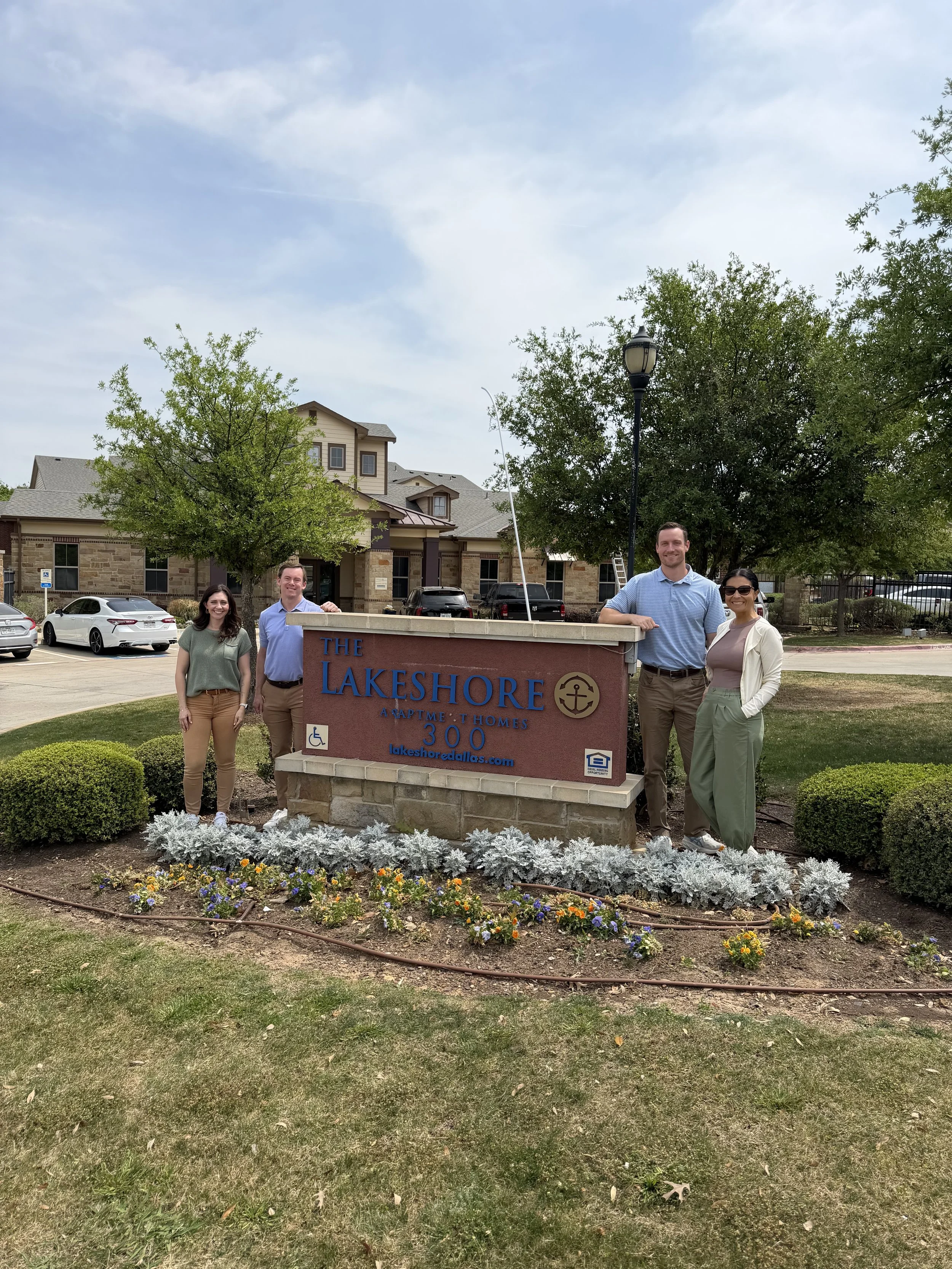
The Momentum team on site for DD Day at Devonshire Lake Dallas
Last week, our team at Momentum Multifamily was boots on the ground for due diligence at our newest acquisition, Devonshire Lake Dallas.
Walking units. Reviewing financials. Inspecting roofs, systems, and everything in between.
It’s one of the most critical phases of any deal—and one that most investors never see firsthand.
But whether you’re an active operator or a passive investor, understanding how due diligence works (and what to look for) can make all the difference in protecting your capital and making confident investment decisions.
What Is Due Diligence—Really?
Due diligence is the process of verifying that the deal you think you’re buying is actually the deal you’re getting.
It’s where assumptions get tested.
Are the financials accurate?
Is the property in the condition you expect?
Are there hidden risks that could impact returns?
This is where good deals are confirmed—and where bad deals get uncovered.
Step 1: Dig Into the Financials
Everything starts with the numbers.
At a high level, you want to validate:
Current rent roll vs. projected rents
Actual income vs. pro forma assumptions
Expense history (repairs, payroll, taxes, insurance)
Delinquencies and concessions
One of the biggest red flags? When actual performance doesn’t line up with the story being told.
Pro tip: Look at trailing 12-month (T12) financials and compare them to underwriting assumptions. Small gaps are normal—big ones deserve attention.
Step 2: Walk the Property—All of It
Pictures can be misleading. Broker packages can be optimistic.
There’s no substitute for physically walking the property.
During a DD day like the one at Devonshire Lake Dallas, teams typically:
Walk a large sample of units
Inspect common areas and amenities
Check roofs, foundations, and exteriors
Evaluate parking lots, drainage, and landscaping
You’re not just looking for obvious issues—you’re looking for patterns.
Are interiors consistent?
Is deferred maintenance visible?
Does the property match the business plan?
Step 3: Inspect Major Systems
Big-ticket items can make or break a deal.
This includes:
HVAC systems
Plumbing and sewer lines
Electrical systems
Roofs and structural components
Third-party inspectors are typically brought in to provide detailed reports, but as an investor, you should understand what’s being evaluated.
Unexpected capital expenditures can quickly eat into returns if they’re not identified early.
Step 4: Validate the Business Plan
This is where due diligence connects directly to investor returns.
If the plan is to increase rents, ask:
Are nearby comps actually achieving those rents?
What upgrades are required to get there?
How much will those upgrades cost—really?
If the plan is operational improvements:
Is current management underperforming?
Are there clear inefficiencies to fix?
A strong business plan should be realistic, not optimistic.
Step 5: Understand the Market
Even a great property can struggle in the wrong market.
During due diligence, teams analyze:
Comparable properties (rents, occupancy, concessions)
New supply coming online
Job and population growth
Submarket trends
For example, at Devonshire Lake Dallas, understanding the local demand drivers and surrounding competition plays a key role in validating long-term upside.
Step 6: Review Legal and Operational Details
This is the less glamorous—but equally important—side of due diligence.
Key areas include:
Lease audits (are leases enforceable and accurate?)
Vendor contracts
Service agreements
Title and zoning review
You want to ensure there are no surprises after closing—because by then, it’s too late.
Step 7: Evaluate the Team
If you’re investing passively, this may be the most important step.
Ask yourself:
Does the operator have experience with this type of deal?
Do they have a track record of executing similar business plans?
How do they communicate—especially during challenges?
Deals don’t go perfectly. The team managing the deal matters just as much as the deal itself.
Common Mistakes to Avoid
Even experienced investors can overlook key details. A few common pitfalls:
Relying too heavily on projections instead of actuals
Underestimating renovation or capex costs
Ignoring small maintenance issues that signal larger problems
Skipping market validation
Due diligence isn’t about proving the deal works—it’s about trying to prove it doesn’t.
Final Thoughts
Due diligence is where confidence is built—or lost.
It’s the phase where assumptions are challenged, risks are uncovered, and the real story of the deal comes into focus.
For our team, walking a property like Devonshire Lake Dallas isn’t just a checklist—it’s a critical step in making sure we’re delivering on what we promise to investors.
Because at the end of the day, great investing isn’t about finding perfect deals.
It’s about doing the work to understand them—before you commit.
